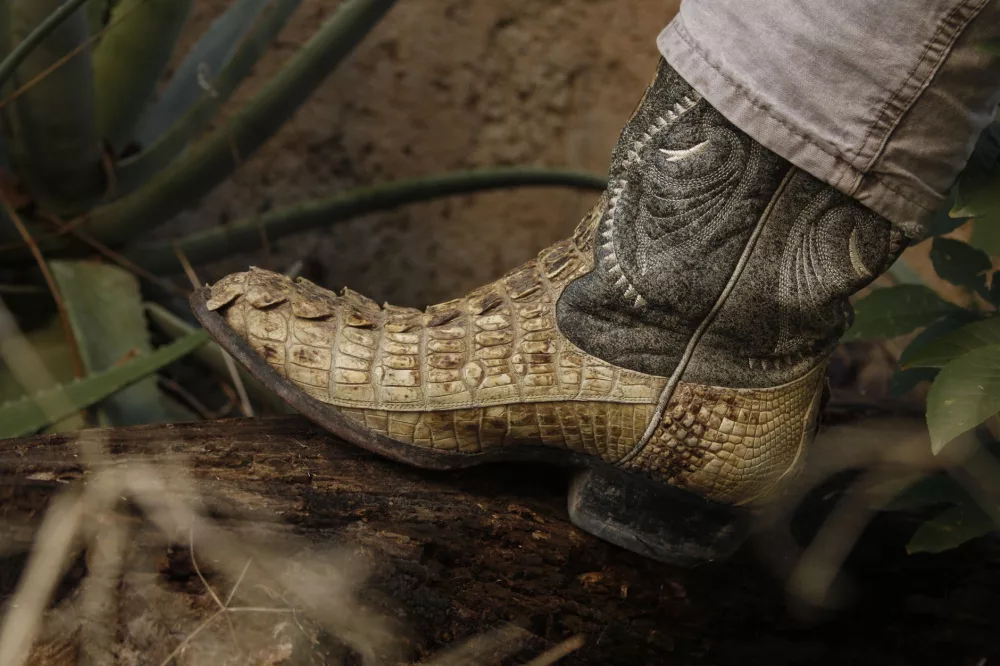
I remember the first time someone mentioned "fish skin boots" to me. Honestly, my initial reaction was probably a mix of intrigue and a little bit of skepticism. Fish? For boots? My mind immediately conjured images of something flimsy, maybe even a bit slimy, and certainly not durable enough to withstand the rigors of everyday wear. Boy, was I wrong. As I’ve delved deeper into the world of alternative leathers and sustainable fashion, I’ve discovered that fish skin isn't just a novelty; it's a remarkably strong, beautiful, and eco-conscious material that's making some serious waves in the footwear industry. It’s got this incredible story behind it, you know?
The Unexpected History of Fish Leather
It turns out, using fish skin isn't some new, avant-garde fad cooked up by modern designers. No, no. This material has a rich and rather fascinating history, particularly in regions where traditional livestock was scarce, but fish was abundant. I’ve learned that indigenous communities, especially in places like Siberia, parts of Scandinavia, and even some Pacific Northwest tribes, have been tanning and utilizing fish skins for centuries. They made everything from clothing and bags to snowshoes and, yes, even durable footwear.
Imagine, if you will, a community living by a rich fishing river or coastline. Waste not, want not, right? After the fish were caught and consumed, it only made sense to put the skins to good use. They developed ingenious methods of tanning – often involving natural oils, smoke, and a good deal of elbow grease – to transform what we now often discard into surprisingly robust and functional materials. It wasn't about being trendy; it was about pure, practical survival and resourcefulness. And that, to me, is incredibly inspiring.
What Makes Fish Skin So Special? The Science Behind the Strength
When I first held a piece of tanned fish leather, I was genuinely surprised by its texture. It wasn't scaly or rough in the way I'd imagined. Instead, it felt supple, yet incredibly strong. What's the secret? Well, it all comes down to the collagen fibers. In most animal leathers, like cowhide, the collagen fibers run parallel to the surface. But in fish skin, these fibers are arranged in a crisscross pattern. This unique, basket-weave-like structure gives fish leather exceptional tensile strength. It means it's surprisingly tear-resistant, often outperforming traditional leathers of similar thickness.
"The tensile strength of fish leather, particularly from species like salmon, can actually exceed that of calfskin, making it an incredibly durable choice for items like boots." - A comment I heard from a leather artisan
Beyond its strength, fish skin boasts a distinctive aesthetic. Each species offers a unique grain and pattern. Salmon skin, for instance, has a small, often iridescent scale pattern that can be quite striking. Perch and cod might offer a different, more subdued texture. Stingray, while technically a cartilaginous fish, produces a leather known for its incredibly durable, pebbled texture that’s almost armor-like. It's truly fascinating how diverse the options are.
My Exploration of Different Fish Leathers for Footwear
Salmon Skin: The Silken Warrior
For me, salmon leather is often the star of the show when we talk about fish skin boots. It's got this beautiful, almost shimmering quality, thanks to the way its scales are naturally patterned. When tanned and finished, it can range from a smooth, polished look to something a bit more textured, depending on the process. I’ve seen boots made from salmon skin that are both incredibly elegant and surprisingly robust. It's a fantastic option for dressier boots or those looking for something truly unique that still feels luxurious.
Perch and Cod: The Understated Performers
Then you have skins from fish like perch or cod. These often have a finer grain, less pronounced than salmon, offering a more subtle texture. They might not have the immediate 'wow' factor of salmon's iridescence, but they bring their own kind of quiet sophistication. I think they're perfect for everyday boots where you want that unique material story without it being too overtly flashy. Plus, they retain that inherent strength, which is always a bonus.
Stingray: The Indestructible Elegance
While not a 'fish' in the common sense, stingray leather (also called shagreen) is often grouped with fish leathers due to its aquatic origin. This stuff is seriously tough. Its surface is covered in tiny, calcified nodules, giving it an unparalleled durability and a unique, almost beaded texture. I've seen stingray boots that look like they could last a lifetime. They're definitely on the higher end, but for good reason – the material is extraordinary and exceptionally hard-wearing.
The Craftsmanship Involved: More Than Just Tanning
Making boots from fish skin isn't like working with a standard cowhide. It requires a specialized touch, an understanding of the material's unique properties. The tanning process itself is critical, transforming the raw skin into a supple, durable leather. This often involves careful defleshing, descaling (though sometimes the scales are left on for aesthetic), and then various tanning agents, frequently using eco-friendly methods these days. Post-tanning, the thin nature of some fish skins means that often, bootmakers will back them with a stronger, thinner layer of traditional leather for added structure and integrity. It's a skill that combines traditional knowledge with modern innovation.
- Careful selection of high-quality skins.
- Specialized tanning methods adapted for fish collagen structure.
- Skilled cutting to maximize the unique grain and minimize waste.
- Often backed with other thin leathers for enhanced structural support.
Sustainability: A Key Selling Point I Can Get Behind
Here’s where fish skin boots really shine in my book. In an age where we're all trying to be more conscious consumers, fish leather presents a fantastic sustainable alternative. The skins used for tanning are typically a byproduct of the fishing industry. Instead of being discarded as waste, they are upcycled into a valuable material. This reduces landfill waste, minimizes the environmental footprint, and gives a second life to a resource that would otherwise be lost. I mean, how cool is that?
It lessens the demand for traditional leathers, which often come with significant environmental concerns related to livestock farming and chemical tanning processes. By choosing fish skin, I feel like I'm making a small but meaningful contribution to a more circular economy. It’s a smart way to utilize resources more fully.
Wearing and Caring for Your Fish Skin Boots
So, you’ve got a pair of these unique boots. How do you treat them? Much like any fine leather, I'd say. They're surprisingly resilient, but a little care goes a long way. I'd recommend:
- Regular Cleaning: A soft, damp cloth for surface dirt is usually enough.
- Conditioning: Use a high-quality leather conditioner specifically formulated for exotic leathers. This keeps the skin supple and prevents drying or cracking.
- Water Protection: While some fish skins are naturally water-resistant, it's always wise to use a good waterproofing spray, especially if you’ll be out in wet conditions.
- Proper Storage: Keep them in shoe trees to maintain their shape and away from direct sunlight or extreme heat.
I've found that with a little attention, these boots truly stand the test of time, and they develop a wonderful patina that just adds to their character.
My Final Thoughts on This Amazing Material
Stepping into the world of fish skin boots has completely reshaped my perspective on what's possible in sustainable fashion. It's a testament to human ingenuity and our ability to find value in unexpected places. From its surprising strength and diverse aesthetics to its compelling sustainability story, fish leather offers a compelling choice for anyone looking for footwear that truly stands out. It’s not just about owning a pair of boots; it’s about embracing a story, a tradition, and a step towards a more responsible future for fashion. I genuinely believe it's a material that deserves far more recognition, and I'm excited to see how it continues to evolve in the industry.