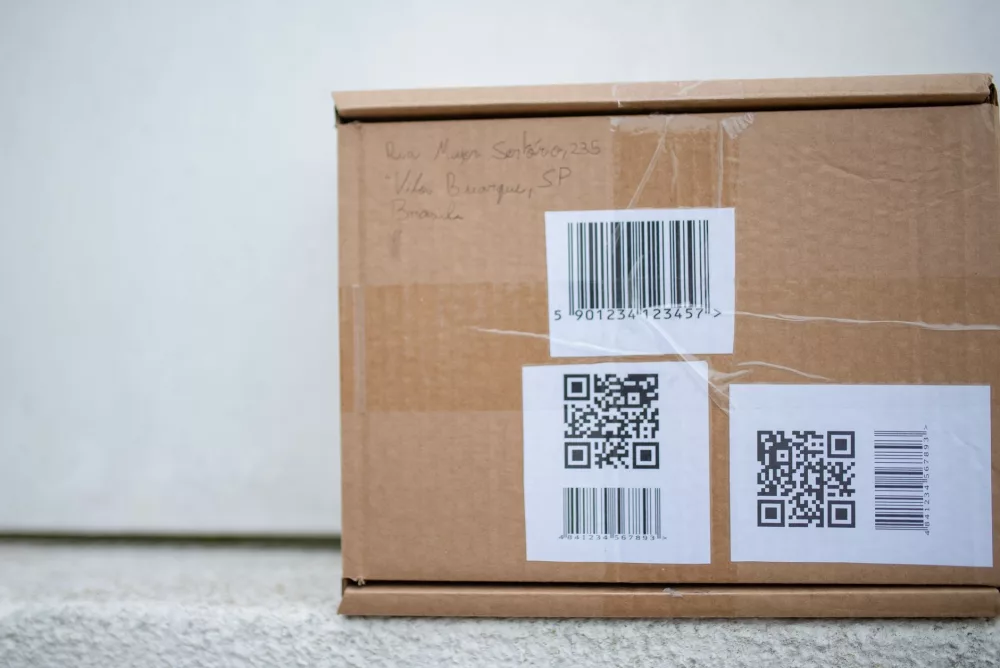
When we talk about the backbone of modern cross-border e-commerce, it's impossible not to mention logistics providers. Among these, YunExpress stands out as a significant player, especially for businesses shipping from China to customers worldwide. You've probably seen their tracking numbers pop up if you've ordered anything from AliExpress, eBay, or even a smaller Shopify store that sources products globally. But what exactly is YunExpress, and why has it become such a dominant force in this incredibly complex, fast-paced industry? Well, let me explain what I've learned about them.
The Rise of a Logistics Giant
YunExpress, established in 2014, is a subsidiary of the YunDa Express Group, one of China's largest express delivery companies. Initially, their mission was pretty clear: to provide efficient and cost-effective shipping solutions for China's booming e-commerce market, specifically targeting the cross-border segment. Think about it – as more and more small businesses and individuals started selling products online to international buyers, there was a massive need for a reliable, yet affordable, way to get those parcels from one side of the world to the other. Traditional carriers were often too expensive or just too slow for the volume and price points of these goods. YunExpress stepped into that gap, and boy, did they fill it!
Today, it's not just a small player; they've grown into one of the world's leading cross-border e-commerce logistics providers. They handle millions of packages every single day, linking sellers in China with buyers in over 220 countries and regions. That's a huge operation, and honestly, it's quite impressive how quickly they scaled up. My understanding is that their strategic partnerships and robust network infrastructure played a huge role in this rapid expansion.
What Services Do They Really Offer?
So, you might be wondering, what exactly does YunExpress do? It’s not just about picking up a package and dropping it off. Their service portfolio is actually pretty comprehensive, designed to cover various needs within the e-commerce supply chain. I've broken down some of their core offerings:
- Cross-Border Parcel Delivery: This is their bread and butter. They specialize in sending small and medium-sized packages internationally. They've built direct shipping lines to major destinations like the United States, Europe, Australia, and Canada, often bypassing some of the more congested traditional postal routes. This direct injection model is a big part of why they can offer competitive transit times and pricing.
- Last-Mile Delivery Solutions: Here's where it gets interesting. YunExpress doesn't always deliver the package right to your door themselves in every country. Instead, they often partner with local postal services or other regional carriers for the final leg of the journey, known as the 'last mile.' For instance, in the US, your YunExpress package might end up being delivered by USPS, FedEx SmartPost, or even UPS Mail Innovations. This collaboration helps them leverage existing infrastructure, keeping costs down.
- Fulfillment & Warehousing: Beyond just shipping, they've also expanded into fulfillment services. For larger e-commerce businesses, they can provide warehousing in various locations, order processing, and inventory management. This is a game-changer for companies looking to streamline their operations and potentially reduce shipping times by pre-positioning inventory closer to their customer base.
- Customs Clearance & Compliance: Navigating international customs regulations is a nightmare for many businesses. YunExpress assists with customs declarations and duties, trying to ensure smooth passage for packages across borders. It's not always perfect, but their expertise in this area is definitely valuable for sellers.
Why Merchants Choose YunExpress: The Advantages
From a merchant's perspective, there are several compelling reasons to use YunExpress. I hear about them a lot from people running online stores:
Cost-Effectiveness: This is probably the biggest draw. For many types of products, especially those with lower margins, YunExpress offers significantly cheaper shipping rates compared to traditional international express carriers like DHL or FedEx. This makes it viable for sellers to offer free or very low-cost shipping, which we know is a huge conversion factor for online shoppers.
Extensive Global Network: Their reach is truly global. They've established a vast network of sorting centers, warehouses, and strategic partnerships that allow them to ship almost anywhere. If you're selling to customers all over the world, this broad coverage is invaluable.
Technology Integration: YunExpress has invested heavily in technology. Their tracking system, while sometimes a bit delayed in updating, is generally reliable once the package is in their system. They also offer APIs for merchants to integrate their shipping processes directly with their e-commerce platforms, streamlining order fulfillment. I know many sellers appreciate not having to manually enter tracking info.
Focus on E-commerce: Unlike some legacy carriers, YunExpress was built with e-commerce in mind. This means their services, pricing structures, and operational procedures are tailored to the unique demands of online retail, which often involves high volumes of relatively small, individual packages.
The Challenges and Considerations
Now, it's not all sunshine and roses. Like any massive logistics operation, YunExpress has its quirks and areas where it can be less than ideal. My observations suggest a few common points of frustration:
- Tracking Details: While tracking exists, the updates can sometimes be sparse, particularly during the initial leg of the journey within China. There might be long periods without updates, which can be anxiety-inducing for both sellers and buyers. Once it hits the destination country and transfers to a local carrier, the updates usually become more frequent and detailed.
- Transit Time Variability: While they aim for efficiency, transit times can fluctuate quite a bit. Factors like customs delays, peak seasons (e.g., Black Friday, Chinese New Year), and unforeseen logistical hiccups can add days or even weeks to delivery estimates. Patience is often a virtue when using these services.
- Customer Service: This is a common complaint. Because they operate on such a massive scale and often as an intermediary, direct customer support for individual packages can be challenging. Most of the time, the seller is the primary point of contact for the buyer, and the seller then has to navigate YunExpress's support channels, which isn't always straightforward.
- Handover to Local Carriers: The handoff from YunExpress to the local postal service or another last-mile carrier can sometimes be a point of delay or confusion. Different tracking numbers might be involved, or there could be a brief period where the package is 'between' systems.
My Thoughts on Its Place in the E-commerce Ecosystem
For me, YunExpress represents the democratizing force in global e-commerce. It allows small businesses and entrepreneurs, who might not have the resources for premium international shipping, to compete on a global scale. Without services like theirs, the barrier to entry for cross-border selling would be much higher, limiting consumer choice and stifling economic opportunities for countless merchants. It’s not perfect, certainly, but it fills a crucial niche.
If you're a merchant considering YunExpress, I'd suggest managing expectations regarding transit times and communicating clearly with your customers about potential shipping windows. For consumers, understanding that your package might take a slightly longer route, but at a lower cost, is key.
In the grand scheme of things, as global e-commerce continues its relentless expansion, providers like YunExpress will only become more integrated and essential. They're constantly optimizing their routes, improving their technology, and expanding their network to keep up with demand. It's a challenging business, but their impact on how we buy and sell internationally is undeniable.